






Understanding Facial Beauty Across Different Cultures
One of the most interesting aspects of aesthetic medicine is that there is no single definition of beauty.
While social media, celebrity culture, and fashion trends often promote certain facial features as desirable, perceptions of beauty have varied dramatically throughout history and across cultures.
Features such as the jawline, nose, chin, lips, cheeks, eyes, and overall facial proportions are often interpreted differently depending on cultural background, ethnicity, family characteristics, personal preference, and current beauty trends.
At Anti-Aging Medical & Laser Clinic in Vancouver, we treat patients from a wide range of cultural backgrounds. One of the most important parts of a consultation is understanding what the patient finds attractive, balanced, and natural—not what social media or current trends suggest they should want.
Beauty Standards Change Over Time
What is considered beautiful today may be very different from what was considered attractive twenty years ago.
Throughout history, beauty ideals have continually evolved.
Examples include:
- Fuller faces versus sculpted faces
- Thin brows versus fuller brows
- High cheekbones versus softer facial contours
- Fuller lips versus more conservative lip proportions
- Strong jawlines versus delicate jawlines
Even within the same culture, preferences often change from generation to generation.
This is one reason experienced aesthetic practitioners focus on facial harmony rather than temporary trends.
The Jawline: A Good Example of Cultural Variation
The jawline is one of the most culturally interpreted facial features.
In some cultures, a stronger jawline may be associated with:
- Strength
- Confidence
- Masculinity
- Leadership
In others, softer jaw contours may be associated with:
- Elegance
- Femininity
- Youthfulness
- Gentleness
Neither approach is inherently right or wrong.
The ideal jawline often depends on:
-Facial structure
-Gender identity
-Ethnicity
-Cultural influences
-Personal preference
A jawline that appears attractive on one individual may not necessarily create balance on another.
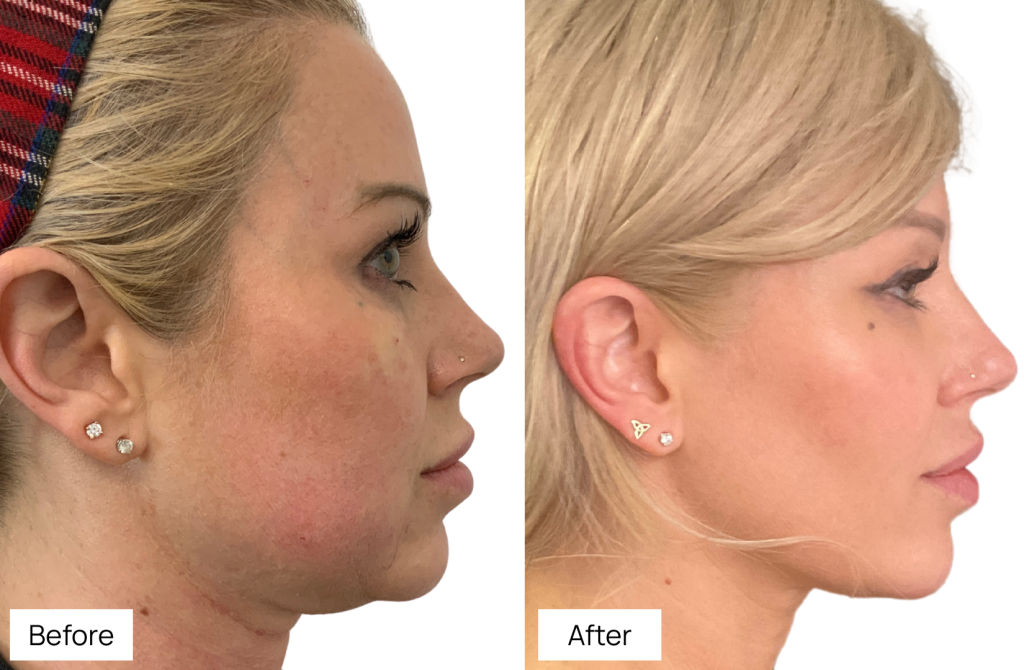
The Nose Is Equally Individual
The nose is another facial feature that varies considerably among populations and cultures.
Some individuals prefer:
- A stronger bridge
- Greater projection
- More defined contours
Others prefer:
- Softer contours
- Smaller proportions
- Less projection
Historically, some aesthetic treatments attempted to make noses conform to a narrow Western beauty ideal.
Modern facial aesthetics increasingly recognizes that preserving ethnic identity and natural facial characteristics often creates more balanced and authentic results.
For many patients, the goal is refinement rather than replacement of their natural features.
Facial Shape Influences Beauty Perception
Different facial shapes are often viewed differently depending on cultural influences and individual taste.
Examples include:
Oval Faces
Often associated with balance and symmetry.
Heart-Shaped Faces
Commonly associated with youthfulness and softness.
Square Faces
May be perceived as strong, structured, and confident.
Round Faces
Often associated with youthfulness and approachability.
No single facial shape is universally preferred.
Attractiveness is often determined by proportion and harmony rather than any one facial shape alone.
Facial Proportions Matter More Than Individual Features
When people evaluate facial attractiveness, they rarely focus on a single feature.
Instead, the brain tends to assess:
- Symmetry
- Balance
- Proportion
- Harmony between features
This means a feature that appears large, small, strong, or delicate may still be perceived as attractive if it complements the rest of the face.
This concept is often more important than pursuing a specific trend.