




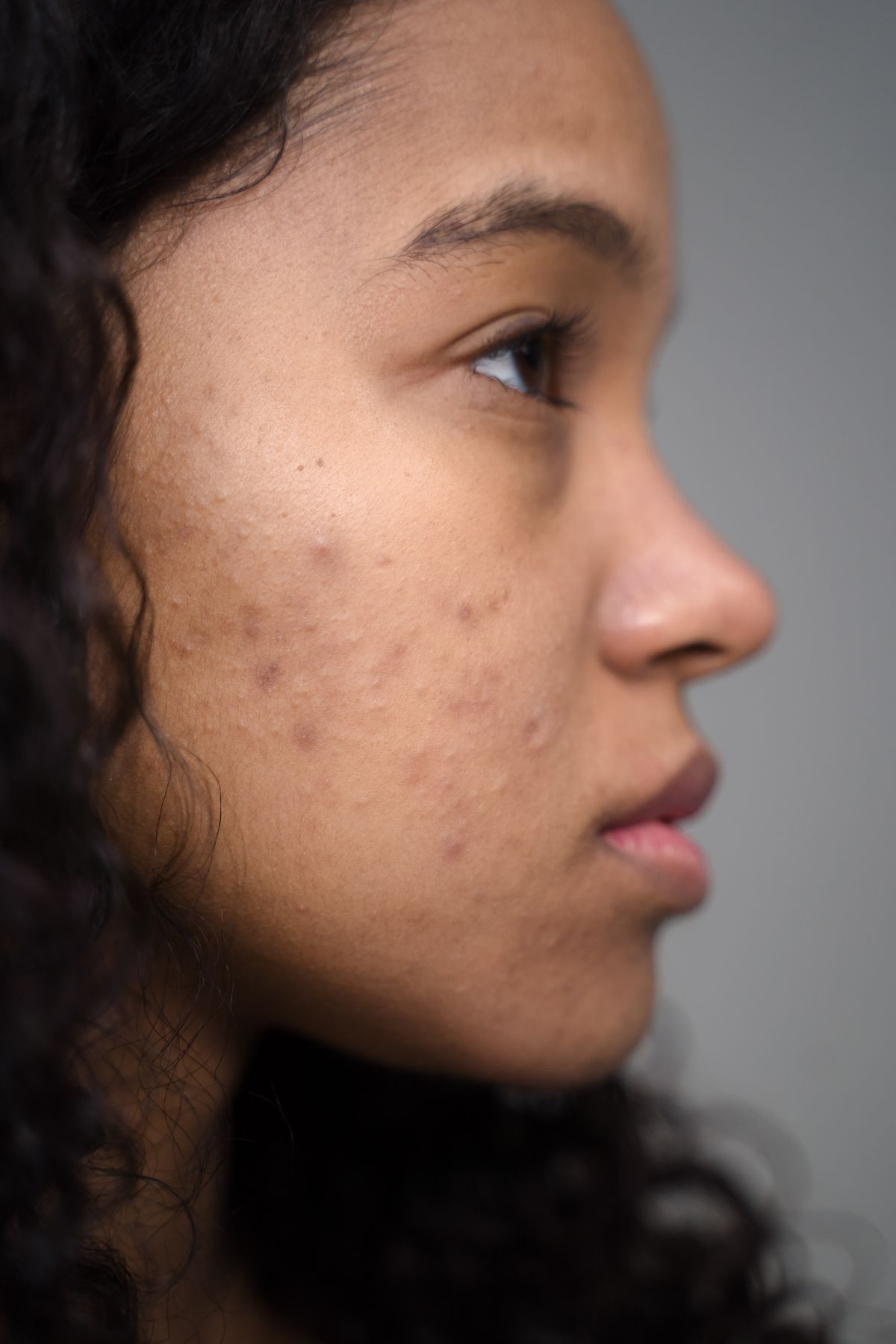
Facial Balancing & Enhancement

Facial Asymmetry

Visible differences between the two sides of the face involving bone, muscle, fat, or soft tissue.

Book A ConsultationContinue to the full consultation form below.

Physician-led assessment · individualized care · Vancouver clinic

Understand the ConcernA clear medical overview
Physician AssessmentYour concern assessed in person
Care OptionsRelevant options considered after assessment
Personalized CareA plan shaped around your needs

Understanding Facial Asymmetry

Asymmetry is normal, change is not

The first thing worth knowing about facial asymmetry is that it is normal. Virtually no one is truly symmetrical, and small side-to-side differences are a feature of real faces, not a flaw. Most asymmetry is developmental: the two sides simply grow slightly differently, shaped by inherited bone and dental structure, expression habits, and old injuries, and it can become a little more visible as tissues age and deflate unevenly. What matters clinically is change. A new or sudden asymmetry, especially with weakness, numbness, or slurred speech, is a medical emergency, not a cosmetic concern. Once that is excluded, subtle balancing is possible, but the goal is harmony, not a mirror-image face.

Causes and Contributing Factors

Where the differences come from

Most facial asymmetry is developmental, meaning the two sides of the face simply grow and mature slightly differently. Contributing factors can include inherited bone and dental structure, differences in muscle activity or habitual expressions, past dental or orthodontic history, previous facial injury or fracture, and the uneven changes in bone, fat and skin that occur with aging. Sleeping position and sun exposure may play a minor role. Less commonly, asymmetry reflects an underlying medical cause, such as a problem affecting the facial nerve, which is why a new or changing asymmetry should be assessed rather than assumed to be cosmetic.

Signs and Symptoms

What to look for

Facial asymmetry can appear in many ways, and the pattern helps distinguish long-standing differences from those that need medical attention. Common presentations include:

  • One eyebrow, eye, cheek or corner of the mouth sitting slightly higher or fuller than the other
  • A jaw or chin that appears shifted or angled to one side
  • Uneven lip fullness or a smile that pulls more to one side
  • Differences in cheek volume or hollowing that become more noticeable with age
  • Asymmetry that is stable over years, as seen in old photographs, versus a difference that is new or progressing

Assessment

What an assessment considers

A clinician assessing facial asymmetry typically reviews how long it has been present and whether it is stable or changing, often comparing current appearance with older photographs. Assessment may consider the underlying structures involved, such as bone, teeth, muscle, fat and skin, and how they contribute to the overall pattern. The clinician also checks for signs pointing to a medical rather than cosmetic cause, including nerve function and movement of the facial muscles. That examination is what decides the route: medical evaluation, dental or specialist referral, or a cosmetic discussion.

Treatment Options

Care options for Facial Asymmetry

These are some of the options connected to this concern. The appropriate plan depends on assessment, suitability, and your goals.

Care depends entirely on the cause and on whether the asymmetry is stable or new. A new or changing asymmetry is a medical matter and is directed toward diagnosis and appropriate care rather than cosmetic treatment. For long-standing cosmetic asymmetry, options may range from doing nothing to non-surgical approaches that address volume or soft-tissue differences, to dental, orthodontic, or surgical care where bone or teeth are the main factor. The right approach follows a clinical assessment that clarifies which structures are involved and what a person hopes to change.

The most useful next step is a conversation rather than a catalogue. The clinic's medical team looks at what is actually contributing, sets out which options are worth weighing and why, and which are not suitable, then advises a plan built around you, with realistic expectations and no pressure to proceed.

For the fuller picture, explore the treatment pages above or discuss the options during a consultation.

Medical Assessment

When medical review matters

Urgent medical assessment is important when facial asymmetry is new, sudden or rapidly worsening, or when it is accompanied by drooping on one side of the face, an inability to close an eye or raise an eyebrow, facial numbness or weakness, slurred speech, difficulty swallowing, vision changes, severe headache or weakness elsewhere in the body. These features can indicate a facial nerve problem or other serious condition and are not cosmetic concerns. Because some of these symptoms can reflect a stroke, sudden facial drooping with any of these signs warrants emergency care.

Frequently Asked Questions

Questions about Facial Asymmetry

Yes. Nearly everyone has some difference between the two sides of their face, and mild asymmetry is a normal part of human anatomy. It often goes unnoticed in everyday interactions. What matters most is whether the asymmetry is long-standing and stable or new and changing, as these have very different meanings.

Seek urgent medical care if asymmetry appears suddenly or worsens quickly, especially with facial drooping, an inability to close an eye or smile evenly, numbness, weakness, slurred speech, vision changes or a severe headache. These can be signs of a facial nerve problem or a stroke and are medical emergencies, not cosmetic concerns.

Sometimes selected soft-tissue or volume differences can be softened with non-surgical approaches, but results vary and no treatment creates perfect symmetry. Asymmetry driven by bone or teeth often needs dental, orthodontic or surgical input. A clinical assessment is the best way to understand what is realistic in an individual case.

Aging involves uneven loss of bone, fat and skin elasticity, which can make small pre-existing differences more visible. This gradual change is common. A difference that develops slowly over years is different from one that appears suddenly, which should always be assessed promptly.

Physician Assessment

Discuss Facial Asymmetry with our medical team.

An assessment can help clarify what may be contributing, which options may be appropriate, and what a reasonable next step could look like for you.

Anti-Aging Medical & Laser Clinic

Visit Our Clinic

Visit our clinic in Vancouver, BC.

Anti-Aging Medical & Laser Clinic combines medical assessment, individualized planning, physician oversight, and a broad range of treatment options in its Vancouver clinic.

Plan your consultation.

Bring your questions, treatment history, and goals. Your provider can help you understand appropriate options, expected recovery, and realistic outcomes.

Make an Appointment

Step into your next plan with confidence.

Use our consultation form below and the clinic can guide you toward the appropriate starting point.

HoursOpen 7 Days / Week from 9:00 AM to 5:30 PM. Closures Announced on Google Business
Phone(604) 261-9121
Emailinfo@aamvan.com

Why Anti-Aging Medical & Laser Clinic?

  • A medical clinic with physicians and experienced medical-aesthetic providers on the team.
  • Science-informed assessment, treatment planning, and realistic expectations.
  • Laser, injectables, skin, body, hair, wellness, and medical services available in one clinic.
  • Complimentary aesthetic consultations are available for appropriate cosmetic and laser services.
  • Personalized skincare and product consultations based on your goals and routine.
  • Home-care guidance to support your skin between in-clinic appointments.
  • Professional skincare products available through the Anti-Aging Vancouver shop.
  • Clear guidance on treatment options, preparation, downtime, aftercare, and next steps.
  • Ongoing follow-up so your plan can evolve as your needs and goals change.